
Updated September 2026 with current film brands, pricing and what we fit in the studio.
Paint protection film (PPF) is the better choice if you want to stop stone chips, scratches and road rash from ever reaching the paint. Ceramic coating is the better choice if your priority is gloss, easy washing and a lower upfront spend, and you can live without impact protection. For most of the cars that come through our Trafford Park unit, the answer is both: full PPF for the physical protection, with a ceramic layer on top for the water behaviour and shine.
We’re Auto Wrap Manchester and we’ve been fitting film since 2014. This guide is written from what we see on the bench.
PPF vs ceramic coating at a glance
| Protection from | Paint protection film (PPF) | Ceramic coating |
|---|---|---|
| Stone chips | Yes. A thick thermoplastic polyurethane layer absorbs the impact. | No. A coating is far too thin to stop a stone. |
| Scratches | Light scratches self-heal with heat. Deeper damage stays in the film, not the paint. | Helps with light wash marks only. Anything sharper goes into the paint. |
| UV and fading | A physical layer between the sun and the paint. | A coated layer between the sun and the paint. |
| Water and dirt | Good on its own, better with a ceramic top coat (which we currently include). | Excellent. Hydrophobic by design, so water and grime bead and roll off. |
| Gloss | Clear film keeps the original look. Gloss or matte finishes available. | Adds depth and gloss to the existing paint. |
| Lifespan | Years, not months. | Typically 2 to 5 years before it needs reapplying. |
| Cost | A typical full-body PPF job with us is around £4,000. Front-end only from £1,200. | Quoted per vehicle |
| Reversibility | Yes. It peels off and the paint underneath is as it was. | No. It bonds to the paint and wears away over time; it can’t be peeled. |
| Self-healing | Yes, on light scratches and swirls with heat from the sun or a heat gun. | No. |
What PPF actually does
PPF is a clear thermoplastic polyurethane film that’s cut to the shape of each panel and fitted over the paint. It’s noticeably thicker than standard wrap vinyl (which sits at roughly 70 to 100 microns), and that thickness is the whole point. A stone that would chip bare paint hits the film instead.
Light scratches and swirl marks in the film’s top layer close up with heat. Leave the car in the sun or pass a heat gun over the panel and they disappear. If a panel does take a hit that’s beyond self-healing, that one panel gets refilmed rather than the whole car.
We fit STEK and Gyeon film. A poor PPF install shows at every edge; a good one you simply can’t see.
What ceramic coating actually does
A ceramic coating is a liquid that’s applied by hand and cures into a hard, hydrophobic layer bonded to the paint. Water beads and runs off, dirt struggles to stick, and the paint looks deeper and glossier than it did before.
What it won’t do is stop a stone chip. It’s a coating rather than a film, so anything with real force behind it goes straight through to the paint. Expect 2 to 5 years from a coating before it needs reapplying.
When to pick PPF
- You do motorway miles, especially in winter when the gritters are out. The front bumper, bonnet leading edge, wing mirrors and sills take a beating.
- The car is new, expensive, or has a paint finish that would be costly to match on a respray. A UK respray on an average car in a standard colour runs roughly £2,700 to £5,000, and that’s before you factor in the lost originality.
- You’re keeping the car for years and want the paint underneath to look like day one when you sell.
- You want a finish change without paint. Colour PPF gives you a new colour with the same chip protection as clear film.
When to pick ceramic coating on its own
- The budget doesn’t stretch to film and you’d rather have some protection than none.
- The car is mostly used around town at lower speeds, where chips are less of a concern than bird droppings, tree sap and grime.
- Your main frustration is washing. A coated car cleans up far faster and stays cleaner between washes.
- You want more gloss from the paint you already have.
Why we fit both together
Film and coating solve different problems, and they stack. The PPF handles impacts and scratches; the ceramic layer on top handles water, dirt and shine.
At the time of writing, every full PPF job we do includes a complimentary Halo ceramic coat over the film. So if you’re comparing quotes on a full-body PPF, you’re not choosing between the two with us. You get the film for the protection and the coating for the finish in the same visit.
You can read more about the film itself in our guide to what paint protection film is, or see the options on our PPF page.
What it costs
| Option | Guide price | Notes |
|---|---|---|
| Full-body PPF (with complimentary Halo ceramic coat at time of writing) | Around £4,000 for a typical job | Depends on vehicle size, film choice and how many panels are covered. |
| Front-end PPF (bumper, bonnet, wings, mirrors) | £1,200 | The most common partial package. Covers the areas that take the most chips. |
| Ceramic coating on its own | Quoted per vehicle | Reapply every 2 to 5 years. |
| Colour PPF (full colour change) | £3,500 | Chip protection plus a new colour in one film. |
These are guide figures and every car is quoted individually. We also offer 0% finance over 3, 6 or 12 months with a low deposit, which spreads a full PPF job into something far more manageable.
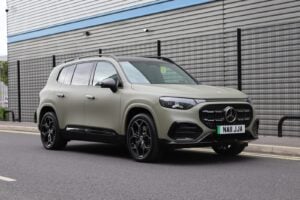
A recent job: Mercedes GLB350 in green colour PPF
One of our 2026 jobs was a Mercedes GLB350 finished in green colour PPF. Colour PPF is the same thick, self-healing film as clear PPF, just pigmented, so the GLB now has a green finish that shrugs off stone chips and can be removed later to reveal the original paint.
If you like the sound of that, our colour PPF page covers the finishes we can do.
Frequently asked questions
Is PPF better than ceramic coating?
For physical protection, yes. PPF stops stone chips and self-heals light scratches, and a ceramic coating does neither. For gloss and easy washing, ceramic is the stronger product. That’s why we fit ceramic over PPF rather than treating it as either or.
Can you ceramic coat over PPF?
Yes, and we recommend it. The coating bonds to the film and gives it the same hydrophobic, easy-clean behaviour as coated paint. At the time of writing, every full PPF job with us includes a complimentary Halo ceramic coat.
How much does PPF cost in Manchester?
A typical full-body PPF job with Auto Wrap Manchester comes out at around £4,000. Front-end packages are cheaper, from £1,200. Prices in the north of England are generally lower than London for the same work.
How long does ceramic coating last?
Typically 2 to 5 years before it needs reapplying. How the car is washed and stored makes a big difference to where in that range it lands.
Does PPF damage the paint when it’s removed?
No. Properly installed and properly removed, PPF peels away and leaves the original paint as it was underneath. That’s one of the main reasons owners of new and high-value cars choose it.
Do I need paint correction before PPF or ceramic?
Both go on top of whatever the paint looks like, so any swirls or marks underneath will be sealed in. We inspect and prep every car before fitting.
Get a quote for PPF in Manchester
If you want to protect the paint on your car, we’ll quote it properly based on the vehicle, the film and the panels you want covered. Visit our PPF page, request a free quote or call us on 0161 672 7376. We’re at Unit 5, The Hives, Mosley Road Trading Estate, Trafford Park, Manchester M17 1HQ.